By Jordan Grim • October 31, 2025 • 06:11 AM (PDT)

By Jordan Grim • October 31, 2025 • 06:11 AM (PDT)
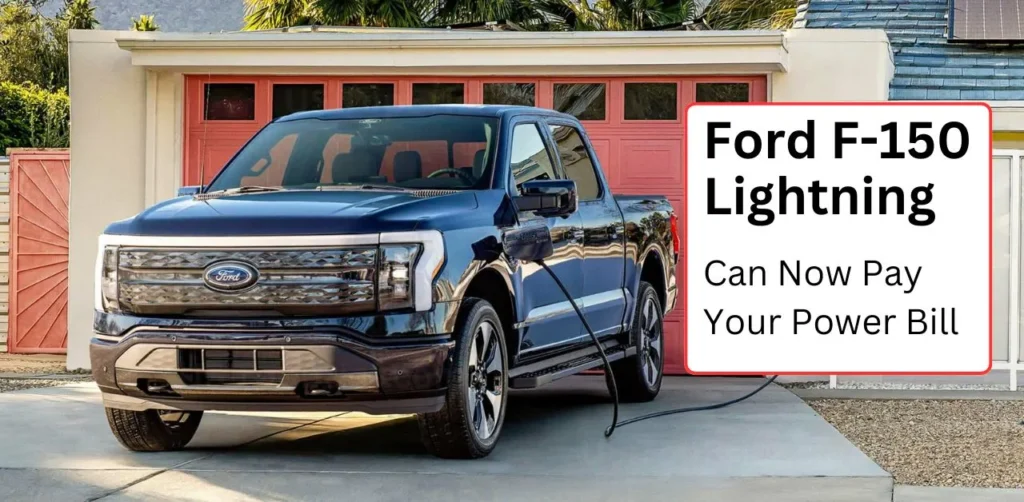
The F-150 Lightning can be charged during off-peak hours and send power back to the grid, potentially saving owners around $500 per year.
Buying a Ford F-150 Lightning means saying goodbye to gas stations forever. At least, that’s the promise, although it comes with the unspoken truth of long waits due to the slow trickle of electrons into the battery. The good news is that your truck can also serve as a backup power source for your home, and if Ford is to be believed, it can even make you some money while sitting in the driveway.
The company is eager to promote its utility, recently dedicating an entire article to explaining how owners can turn their EV into a “side hustle.”
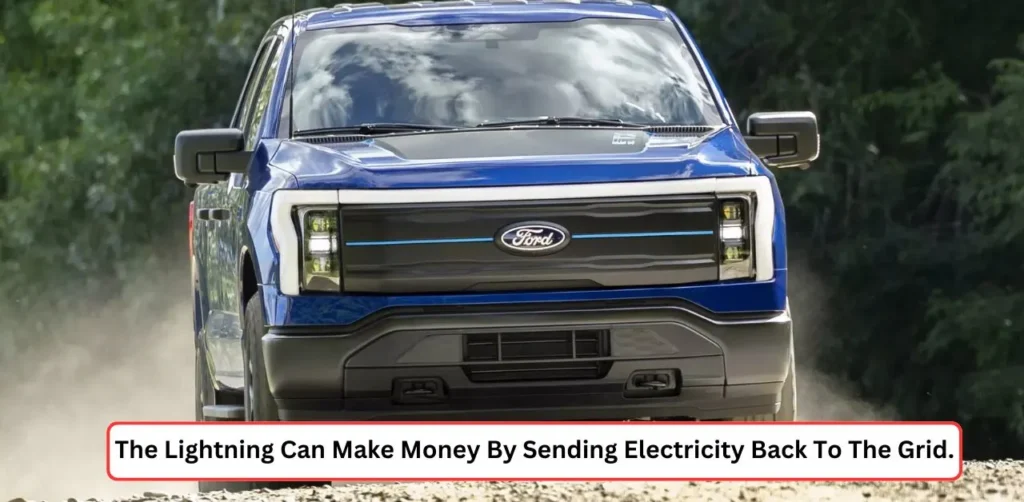
For some time now, Ford’s Energy Rewards program has been giving customers bonuses for charging their F-150 Lightning during off-peak hours. It also includes a system that allows the truck’s battery to act as a backup generator during power outages and blackouts.
In select markets across the US, owners can now charge their Lightning when electricity is cheaper (typically during off-peak hours at night) and use the stored energy to power their homes when grid prices are higher during peak times.
That’s not all. Customers can also send excess electricity from the F-150 back to the grid and receive incentives from participating utility providers. According to Ford, customers can save up to $42 per month, or approximately $500 per year, using its new home power management software.
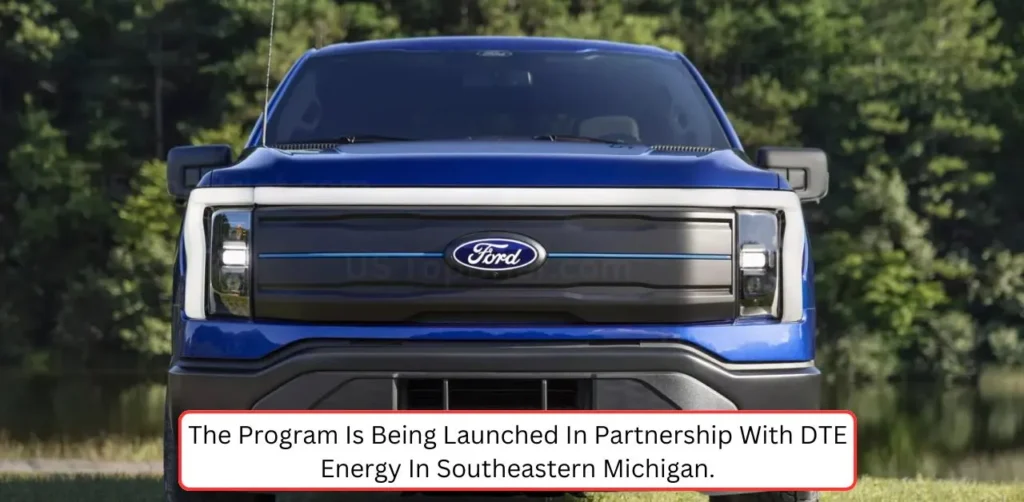
The program is being launched in partnership with DTE Energy in southeastern Michigan. DTE will provide eligible owners with the means to transfer power from their EV to their home.
Everything is also automated, meaning the software optimizes the flow of energy to and from the battery pack while maintaining battery health.
While the system is clever, it hasn’t done much to change the overall fortunes of the Lightning. Despite being the best-selling electric pickup in the US this year, sales are still falling short of Ford’s initial estimates. Earlier this month, production was officially halted with no restart date in sight.
With the expiration of the federal EV tax credit and the elimination of fuel economy penalties under Trump-era regulations, Ford appears to be backing away from the Lightning experiment. The company is now planning to build over 45,000 more combustion-powered F-150s next year, signaling a quiet return to familiar territory.