By Jordan Grim • October 31, 2025 • 06:11 AM (PDT)

By Jordan Grim • October 31, 2025 • 06:11 AM (PDT)
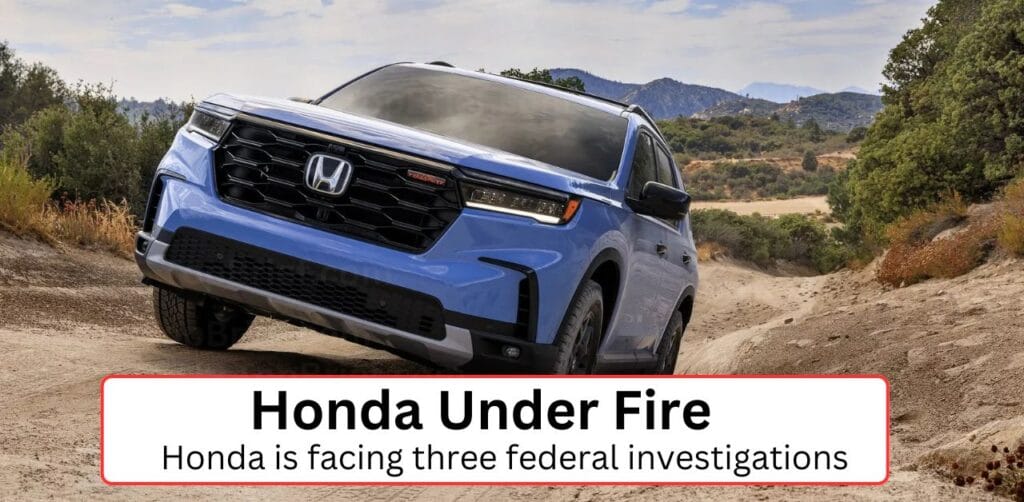
Federal investigators are looking into reports of airbag malfunctions, power loss, and faulty seat belt systems in millions of vehicles.
Ford may be the king of recalls, but the National Highway Traffic Safety Administration has launched three separate investigations against Honda simultaneously. This move comes just a week after they opened an investigation into a potential braking problem with the Acura ILX.
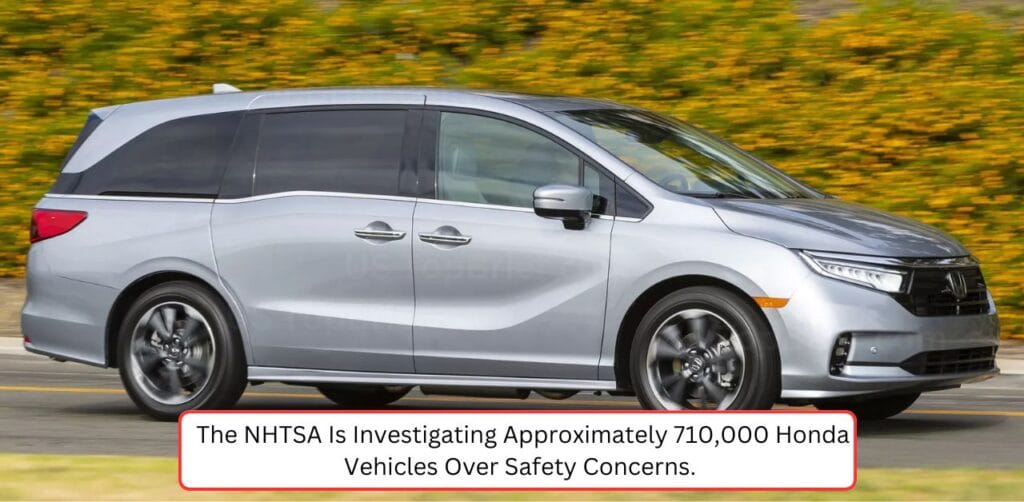
One of the most concerning investigations involves the inadvertent deployment of airbags in 2018-2022 Honda Odysseys. The government has received 18 complaints alleging that the side airbags can deploy unexpectedly while driving.
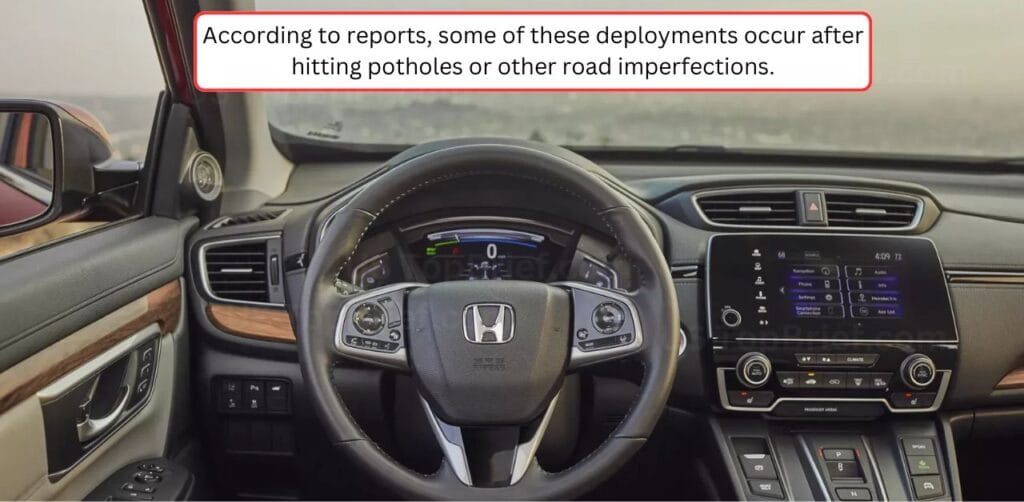
According to reports, some of these deployments occur after hitting potholes or other road imperfections. However, these minor impacts should not trigger airbag deployment.
Needless to say, this is a serious safety issue as deploying airbags can injure occupants and startle the driver, potentially leading to an accident. Unfortunately, this isn’t just theoretical, as the government is aware of one case where two people were allegedly injured.
The Office of Defects Investigation’s initial assessment is to “determine the scope and severity of the potential problem and to fully assess potential safety-related issues.”
The second investigation focuses on the 2023 and 2024 Pilot, where the rear passenger seat belt warning system may be malfunctioning. The government has received six complaints and several field reports related to this issue. Owners allege that the safety system can produce both false positive and false negative results. This could lead drivers to disregard warnings or assume that rear-seat passengers—especially children—are wearing seat belts when they are not.
As with the previous case, this is a preliminary assessment attempting to determine the scope and severity of the problem, as well as potential impacts.
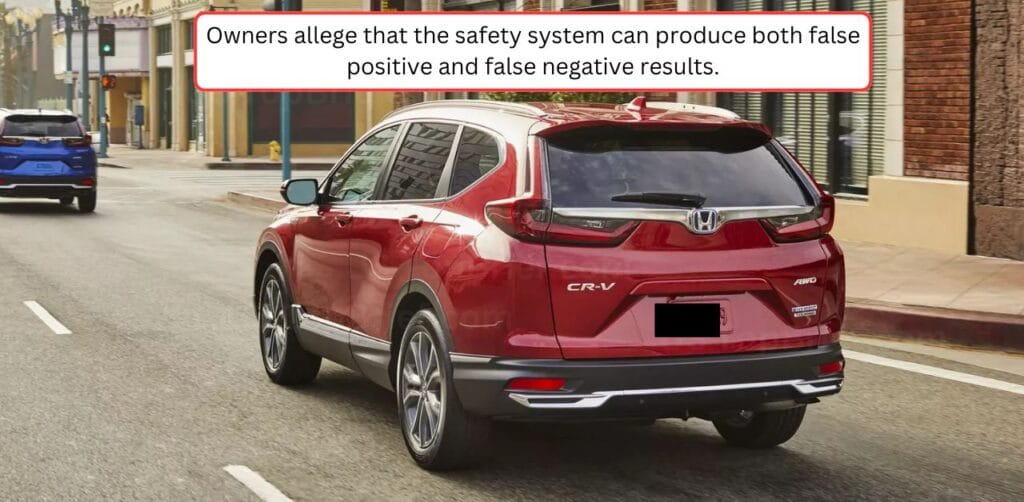
Owners allege that the safety system can produce both false positive and false negative results. This could lead drivers to disregard warnings or assume that rear-seat passengers—especially children—are wearing seat belts when they are not.
As with the previous case, this is also a preliminary evaluation attempting to determine the scope and severity of the problem, as well as potential impacts.
Drivers are forced to pull the vehicle over to the side of the road, where they can turn the ignition off and then back on. This reportedly resolves the issue, but the check engine light and fault codes clear.
The intermittent nature of the codes and their subsequent clearing makes it difficult to pinpoint the root cause, leaving the problem unresolved even after owners have repairs performed. This issue could affect 124,795 vehicles, and the government has received 48 complaints and some field reports.
In total, the three investigations involve 708,369 vehicles. The potential airbag issue in the Odyssey will have the greatest impact, as it could affect 441,002 minivans.