By Jordan Grim • November 22, 2025 • 02:01 AM (PDT)

By Jordan Grim • November 22, 2025 • 02:01 AM (PDT)
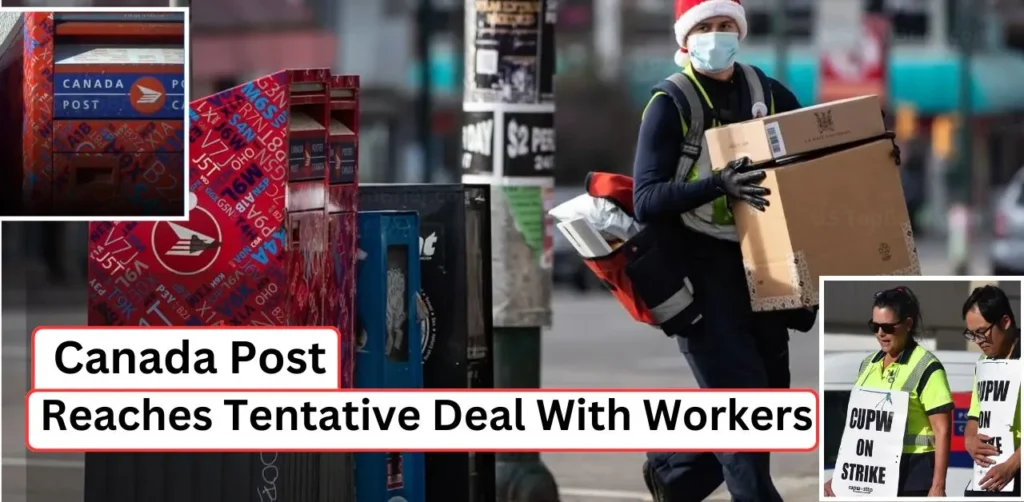
The long-running Canada Post strike dispute appears to be finally easing, as Canada Post and the Canadian Union of Postal Workers (CUPW) have reached agreements in principle after more than two years of tough bargaining. Both sides confirmed that they have agreed on the main conditions of a new deal, bringing hope of stability for workers, small businesses, and millions of customers across the country. While the final contract language is still being drafted, the union has paused strike action and Canada Post has suspended lockout plans.
CUPW said its members will keep the right to strike until a full contract is ratified. The union stated that the next phase will focus on completing the legal and contractual wording needed for the final agreements. If the two sides fail to agree on the exact language, the suspension may be lifted and the Canada Post strike could resume, especially as the busy holiday season approaches.
This agreement arrives after months of rising concerns about a potential national walkout that would have disrupted holiday shopping and parcel deliveries. CUPW members had already taken part in rotating strike action in recent weeks to push Canada Post back to the bargaining table. Mediated negotiations restarted on October 30 and continued into November, led by a federal mediator overseeing the process.
Canada Post said it would not comment on the details of the tentative deal while the final language is being shaped. The corporation has been facing severe financial strain, reporting more than $1 billion in losses this year alone, including a record quarterly loss of over $500 million. Leadership has warned that the postal service may require another federal bailout by early 2026 to stay operational.
The financial challenges come at a time when Canada Post is undergoing major structural change. Earlier this fall, the federal government approved a broad restructuring plan aimed at addressing what officials described as an “existential crisis” for the Crown corporation. The plan includes ending home delivery for millions of addresses still receiving door service, shifting many communities to mailboxes, and allowing the closure of post offices in some areas that have grown beyond their rural classification.
CUPW has strongly opposed these reforms, arguing they will reduce service quality and lead to job losses. The union has been calling for better wages, job security, and protections as workers adjust to a rapidly changing postal landscape. Canada Post’s latest offer included a wage increase of 13 percent over four years and a signing bonus, which CUPW rejected earlier this year.
Despite the long tensions, labour experts say the agreements in principle mark a significant step forward. They note that neither side is likely to be fully satisfied after such a long standoff but agree that a workable solution is necessary to keep the national mail service stable. The hope is that the final contract terms will give workers a fair path forward while helping Canada Post adapt to financial pressures and shifting customer needs.
For small businesses, the news provides a sense of relief. Many had become wary of relying on Canada Post during the Canada Post strike disruptions, especially with advertising flyers and parcel deliveries affected by rotating bans. With a tentative deal in place, the service becomes a more dependable option heading into the peak shopping period.
As final negotiations continue, the situation remains delicate. If both sides successfully finalize the contract language, a ratification vote will follow. If not, the possibility of renewed strike action remains on the table.