By Jordan Grim • October 24, 2025 • 8:00 AM (PDT)

By Jordan Grim • October 24, 2025 • 8:00 AM (PDT)
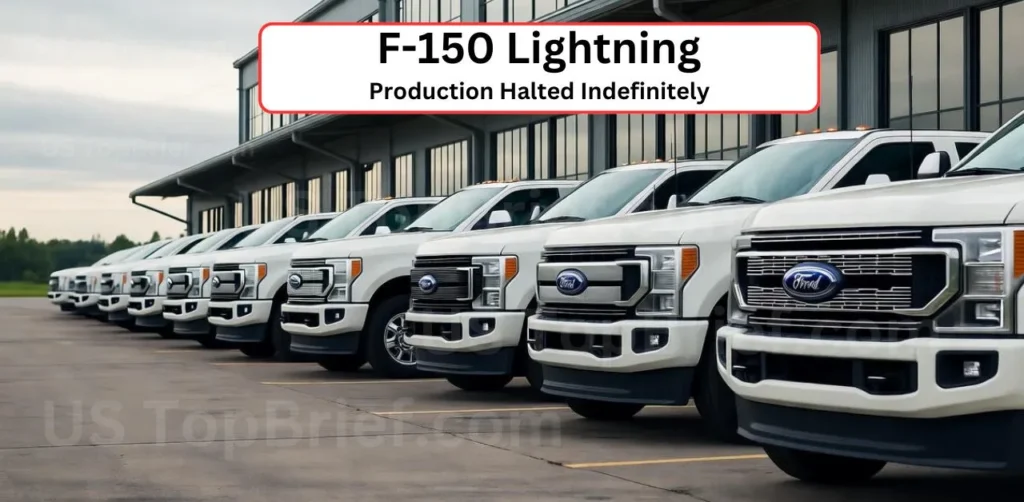
Ford is once again turning its attention to gas-powered trucks after a major supply disruption forced the automaker to pause production of its all-electric F-150 Lightning. A fire at Novelis, a key aluminum supplier, disrupted operations and created a costly production bottleneck. But Ford isn’t standing still — the company has announced a significant plan to recover by boosting output of its F-150 and F-Series Super Duty models in 2026.
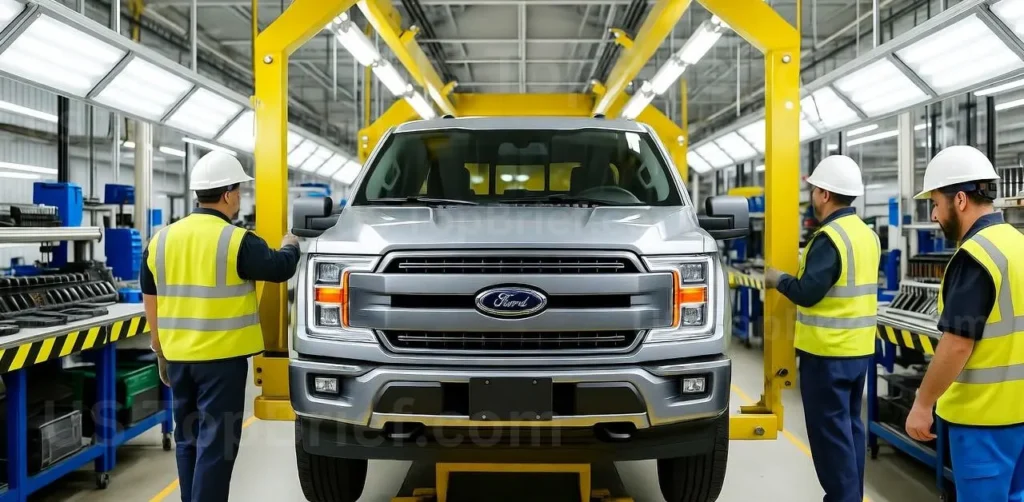
The Dearborn Truck Plant will add a third shift, bringing in roughly 1,200 additional employees. The move will be supported by more than 90 new hires at Dearborn Stamping and around 80 more at Dearborn Diversified Manufacturing. This expansion will help Ford build over 45,000 additional F-150s next year — all powered by traditional gas or hybrid systems.
The F-150 Lightning, Ford’s high-profile electric truck, will remain on hold indefinitely as the company focuses on its more profitable gas and hybrid models. According to Ford, these versions not only deliver higher margins but also require less aluminum — a critical resource now in short supply due to the Novelis plant fire.
Employees who were previously assembling the Lightning at the Rouge Electric Vehicle Center will be reassigned to the new third shift in Dearborn. The move combines transfers from other facilities with new hires, ensuring Ford keeps its production steady while minimizing workforce disruptions.
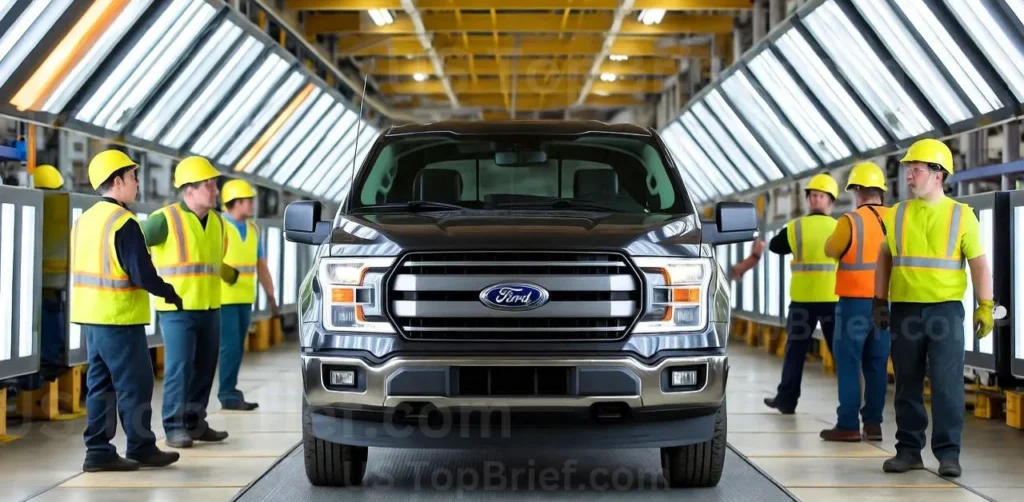
Meanwhile, Ford is also investing $60 million into its Kentucky Truck Plant to accelerate F-Series Super Duty production. The upgrade will enable the plant to build one extra truck per hour, adding up to more than 5,000 new vehicles each year. The company expects to hire more than 100 additional workers as part of the expansion.
In total, Ford’s recovery plan will increase production by more than 50,000 units and create up to 1,000 new jobs. Ford COO Kumar Galhotra emphasized the importance of the move, saying, “The people who keep our country running depend on America’s most popular vehicle – F-Series trucks – and we are mobilizing our team to meet that demand.”
The Novelis fire has dealt Ford an estimated $1 billion hit spread over 2025 and 2026. CEO Jim Farley visited the damaged plant and confirmed the company is working closely with suppliers to secure alternative aluminum sources. Some of the plant’s cold rolling operations are still active, helping Ford limit the impact on next year’s output.
Despite the setbacks, Ford’s financials show resilience. The automaker reported a record $50.5 billion in third-quarter revenue, up 9% year-over-year, and $2.4 billion in net income. However, recent tariffs have cost the company roughly $700 million, and full-year adjusted EBIT is now expected to land between $6 billion and $6.5 billion.
As Ford doubles down on its gas and hybrid trucks, the future of the F-150 Lightning remains uncertain. But for now, the company’s priority is clear — keeping America’s best-selling trucks on the road and its plants running at full strength.