

By Jordan Grim

NEW YORK — In a bold move to curb the outsized influence of AI developers, ten philanthropic foundations have pledged $500 million over the next five years to center human interests in the roll-out of artificial intelligence.
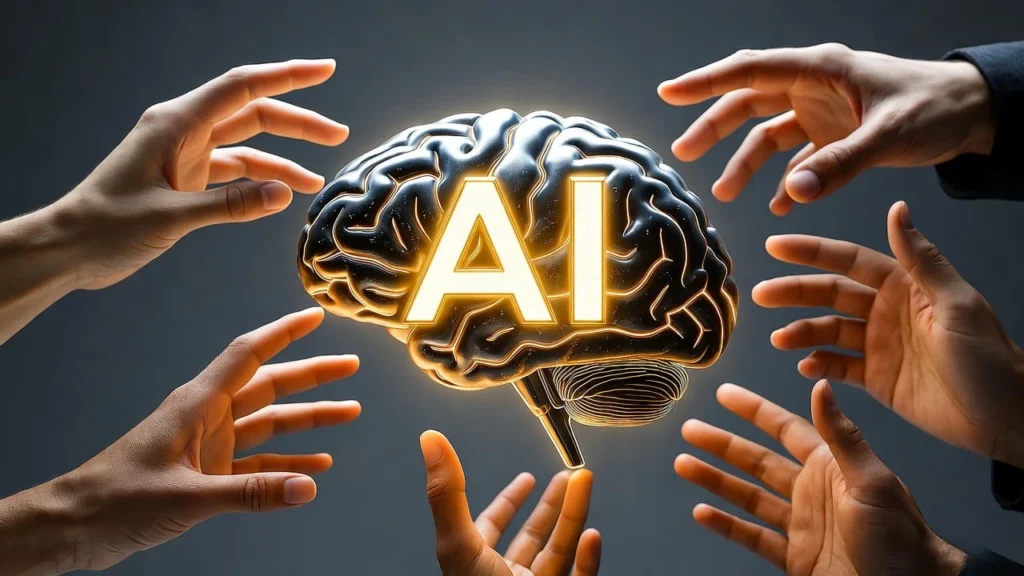
The initiative, dubbed Humanity AI, is explicitly designed to curb the notion that AI’s future should be dictated by tech firms and investors alone. Rather, it argues, AI must evolve in dialogue with people’s real lives.
“Every day, people see how AI is reshaping work, services, even relationships—and too often it feels like the change is happening to us, not with or for us,” said John Palfrey, president of the MacArthur Foundation. The coalition’s message: it’s time to curb the concentration of power in a few hands.
AI already touches many fields. In medicine, it helps interpret scans faster. In software, it boosts developer productivity. For people with speech disorders, voice-cloning tools have opened new communication paths. Humanitarian groups use translation AI to help refugees access vital documents.

But these successes come with caveats. Some children turn to AI chatbots for emotional support, raising concerns about mental health. Deepfake videos spread dangerous misinformation. The energy demands of large AI models, often powered by fossil fuels, aggravate climate change. Economists worry that AI will continue to curb job opportunities—especially for early-career and low-wage workers.
Humanity AI’s answer: back efforts and organizations that keep people central to the AI narrative. Its grants will focus on five priority domains: advancing democracy, strengthening education, protecting artists, improving the future of work, and defending personal security.
The coalition itself is strikingly broad, bringing together groups with different missions but a shared impulse to curb technocratic control. Members include the Mellon Foundation, the Ford Foundation, the Mozilla Foundation, the Omidyar Network, and the MacArthur and Packard Foundations.
“You can’t control everything—but you can choose participation over dominance,” said Nabiha Syed, executive director at Mozilla. “The systems shaping our lives should be powered by people, open by design, fueled by imagination.”
This isn’t the first such alliance this year. In July, the Bill & Melinda Gates Foundation and the Ballmer Group announced plans to invest $1 billion over 15 years, targeting AI tools for social service workers, public defenders, parole officers, and communities facing systemic challenges.
Humanity AI plans to enlarge its coalition. Grant coordination begins this fall, and in the next year it plans to pool funds under Rockefeller Philanthropy Advisors.
Michele L. Jawando of Omidyar Network framed the moment bluntly: “We’re at a crossroads—and it’s crucial we curb the narrative that algorithms alone write our future. Humans must.”