By Jordan Grim • October 21, 2025 • 04:47 PM (ET)

By Jordan Grim • October 21, 2025 • 04:47 PM (ET)
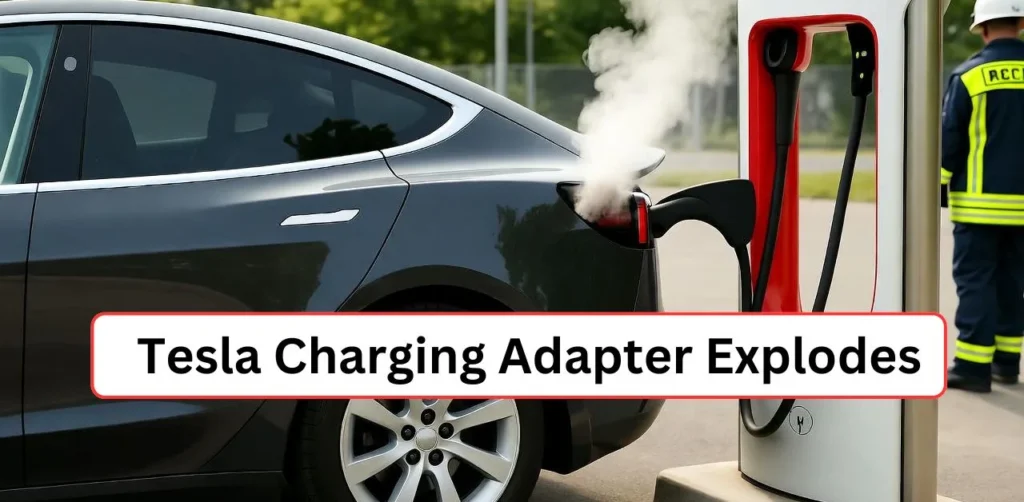
A Tesla owner in Hope, British Columbia narrowly escaped serious injury after a charging adapter exploded during a routine plug-in session. The incident, which involved a non-certified A2Z EV adapter, has prompted safety warnings about using third-party or uncertified charging equipment.
According to local officials, the blast was caused by an internal arc fault malfunction inside the adapter. Though incidents like this are rare, it serves as a sharp reminder that electric vehicle charging safety depends heavily on certified equipment.
The driver was plugging a charger into his Tesla using the A2Z EV adapter when the device suddenly experienced an arc flash explosion. Fortunately, he was standing several feet away at the time. He sustained minor cuts and bruises, while his spouse, seated inside the car, was unharmed.
Investigators later discovered that both the adapter and the charger had technical faults that combined to trigger the explosion. The adapter wasn’t certified for use in Canada, largely because formal testing standards for such equipment hadn’t been developed when it went on sale.
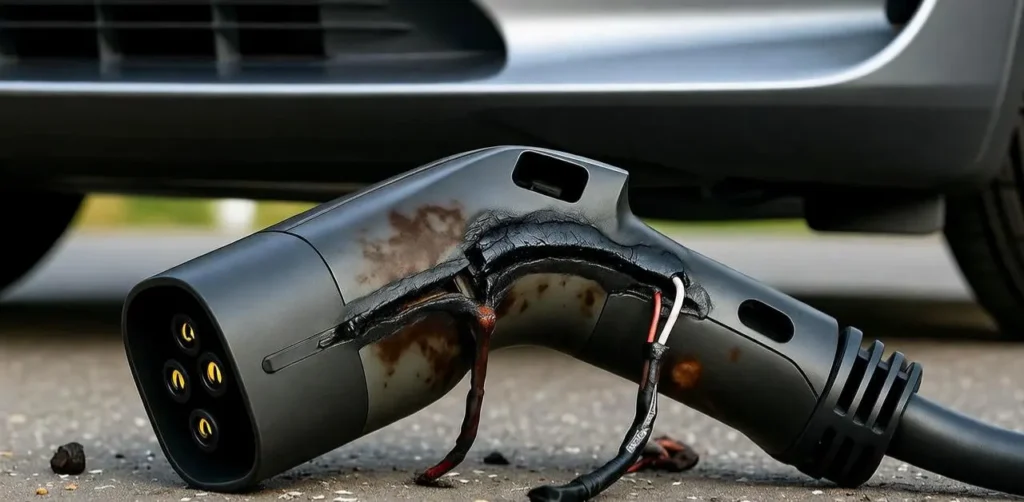
To make matters worse, the charger was found to have delivered abnormal voltage to the adapter. The sudden surge created the arc fault that caused the unit to blow apart, scattering debris around the charging area.
Bob Porter, from the Vancouver Electric Vehicle Association, emphasized the dangers of uncertified charging gear. Speaking to the Vancouver Sun, he said, “There are risks with third-party things if they aren’t approved. They haven’t been tested for safety. You don’t jerk around with electricity.”
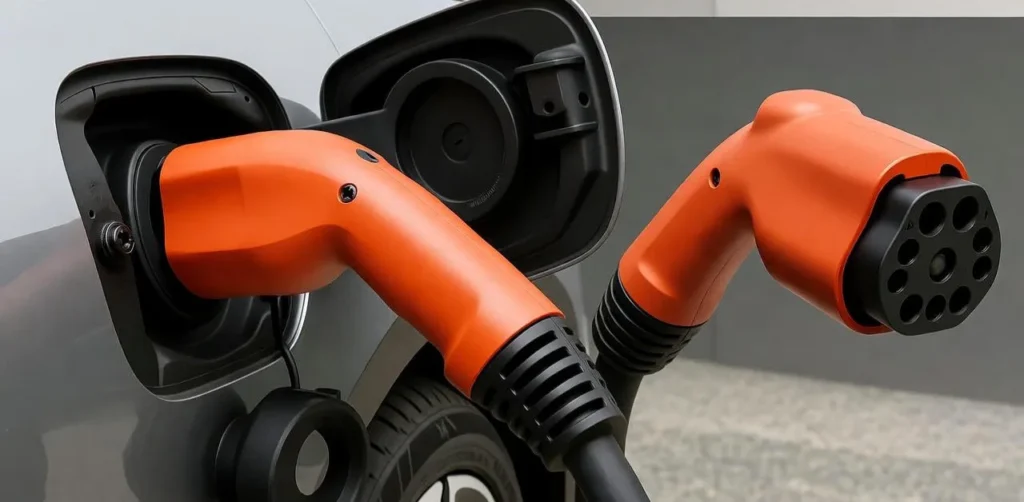
The Tesla owner said he had used the same adapter setup for nearly two years without any previous issues. That detail highlights how unpredictable failures can be when using parts that haven’t been properly tested or certified.
While this kind of explosion is not common, experts say it’s a wake-up call for the growing number of electric car owners in North America. Most certified EV chargers and adapters undergo strict safety checks to prevent incidents like this.
The Tesla charging incident in Hope may have been isolated, but it underlines one key message: EV charging equipment must meet approved standards. Using uncertified parts might save money upfront, but it can also expose drivers to serious safety risks.
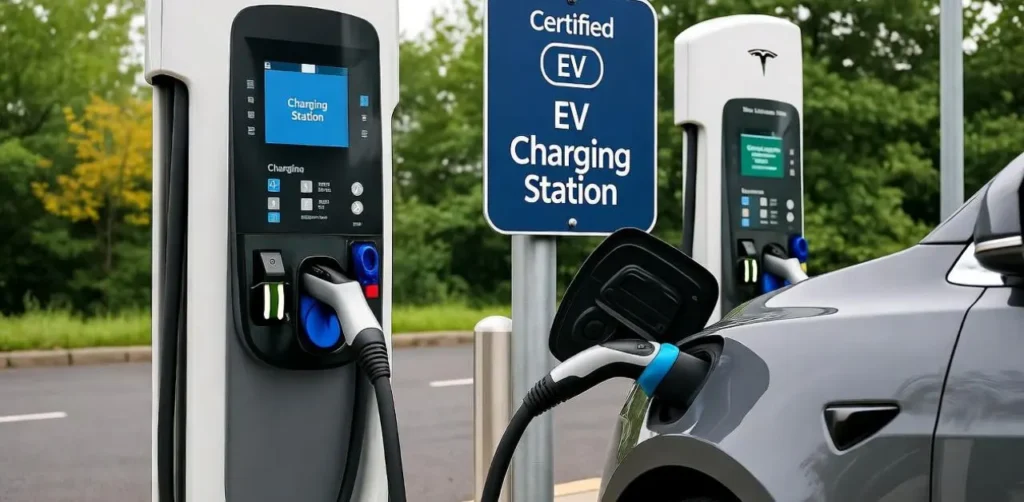
For EV owners, this event is a reminder that safe charging starts with trusted equipment — and that a few extra dollars spent on certified gear could make all the difference.